Food and Food Supplement Registration in India

India’s food industry is expanding rapidly, driven by changing consumer preferences and rising demand for innovative products. To enter and operate in this market, businesses must comply with regulatory requirements set by the Food Safety and Standards Authority of India (FSSAI). Whether pursuing food product registration or food supplement registration, understanding the applicable regulatory pathway is essential for timely market entry.

Freyr supports companies across all compliance pathways:

  • FSSAI Licensing for domestic operations as well as import and export operations.
  • FSSAI Product Approval for novel and non‑specified foods.

With proven expertise, Freyr helps businesses achieve compliance efficiently, reduce approval timelines, and secure risk‑free market access in India’s growing food and beverage sector.

Laboratory glassware and chemical products used in chemical compliance testing

Understanding the Indian Regulatory Landscape

Laboratory glassware and chemical products used in chemical compliance testing

India’s food and supplement industry is regulated through a structured framework that ensures safety, compliance, and market transparency. The Food Safety and Standards Authority of India (FSSAI) is the apex Authority governing food products through the Food Safety and Standards Act, 2006. The online portals for application of Registration/license and Product approvals, Claims approvals, Vegan Foods etc., are as follows:

  • FoSCoS (Food Safety Compliance System): Online portal for FSSAI registration and licensing.
  • ePAAS: Online portal for Product approvals, Claims approvals, Vegan Foods, etc.

Correct classification of your product is the critical first step. Misclassification or missing approvals can lead to delays, penalties, or rejection, making expert guidance essential for

Navigate FSSAI Pathways with Freyr

Product Categories Under Indian Regulation

Within India’s framework, products are classified into clear categories, each governed by specific legislation and compliance requirements:

Category

Regulation

Scope

Compliance Requirements

Standardized Foods

Food Safety and Standards (Food Products Standards and Food Additives) Regulations, 2011

Conventional foods, processed foods, beverages, and ingredients already specified in FSSAI standards

Compositional and safety standards, labelling rules, FSSAI licensing and registration ; no product approval needed

Proprietary Foods

Food Safety and Standards (Food Products Standards and Food Additives) Regulations, 2011 (general clause)

Foods not standardized but permitted using approved ingredients (excluding novel foods, supplements, FSDU, FSMP, FSG)

Must comply with permitted ingredient/additive lists of the nearest food category as per the Food categorization system, labeling norms, microbiological safety; FBO responsible for product safety

Imported Foods

FSSAI Import Regulations

Foods brought into India. May also include food products not covered under standardized categories

Dossier preparation and submission, product approval, clearance, safety certificates, composition details, and labeling compliance

Alcoholic Beverages

Food Safety and Standards (Alcoholic Beverages) Regulations, 2018

Beer, wine, spirits, and other alcoholic products

Standardized food; Must comply with compositional standards, labeling rules, and restrictions on claims

Non‑Specified Foods (NSF)

Food Safety and Standards (Approval for Non‑Specified Food and Food Ingredients) Regulations, 2017

Foods not defined under current standards, including novel formulations or ingredients

Require product approval supported by scientific data, safety evaluation, and dossier review

Nutraceuticals & Health Supplements

Nutraceutical Regulations, 2016

Vitamins, minerals, amino acids, fatty acids, botanicals, probiotics, functional foods

Must comply with permitted ingredient lists, labeling standards, and notification procedures

Foods for Special Purpose

Nutraceutical Regulations, 2016

Foods for Special Dietary Use (FSDU), Foods for Special Medical Purpose (FSMP), Foods for Specific Groups (FSG) such as infant formula, follow‑on formula, total diet replacements

Require strict compliance with compositional standards, safety data, labeling rules, and dossier submission for approval

FSSAI Food Registration and Licensing Process

Under the Food Safety and Standards Act, 2006, every Food Business Operator (FBO) in India is required to obtain either an FSSAI food registration or license, depending on the scale and nature of operations. The licensing framework ensures that food businesses meet national standards for safety, hygiene, and quality before products reach consumers.

Applications are submitted online through the FoSCoS portal using Form B, and once approved, the license is issued in Form C. The system categorizes businesses into three (3) tiers: Registration, State License, and Central License, each designed to match the size of operations and regulatory oversight required.

Licensing is mandatory across all regulated product categories.

Cosmetic Product Registration

Get Expert Classification Support

Types of Licenses

License Type

Eligibility

Scope

Application Process

Timelines

Fees

Registration

Annual turnover up to ₹1.5 crore

Small food businesses such as local manufacturers, retailers, transporters, hawkers, and cottage industries

Submit Form B via FoSCoS with basic documents (ID proof, address proof, product list)

~30 days

₹100 per year (perpetual validity)

State License

Annual turnover above ₹1.5 crore up to ₹50 crore

Mid‑scale manufacturers, restaurants, storage units, distributors

Form B with detailed documents (layout plan, water report, product list, NOC)

45–60 days

₹2,000–₹5,000 per year

Central License

Annual turnover above ₹50 crore, or multi‑state operators, importers, exporters

Large manufacturers, e‑commerce food businesses, import/export units

Form B with comprehensive dossier reviewed by Central Authority

~60 days

₹7,500 per year

Step-by-step FSSAI Registration/License Process

01

Step 1: Determine Eligibility

Assess whether your business requires a Registration, State License, or Central License based on revised turnover thresholds and operational scope.

02

Step 2: Register on FoSCoS Portal

Create an account on the Food Safety Compliance System (FoSCoS) to initiate the application process.

03

Step 3: Prepare Documentation

Collect mandatory documents such as identity/address proof, product list, layout plan, water analysis report, and GMP/CoA certificates where applicable.

04

Step 4: Submit Application

Complete Form B online, upload supporting documents, and pay the applicable fee based on license type. Licenses now carry perpetual validity unless suspended or cancelled.

05

Step 5: Authority Review

State or Central authorities review the application. Timelines typically range from 30 to 60 days, depending on license type and inspection requirements.

06

Step 6: Receive License

Once approved, download the license (Form C) from the FoSCoS portal and display it prominently at your business premises.

Start Your FSSAI Application

Validity & Renewal Process

The following reflects the new Regulatory changes introduced by FSSAI in March 2026, which replaced the earlier fixed term validity and renewal requirements.

Perpetual Validity

All FSSAI registrations and licenses now remain valid indefinitely unless suspended, cancelled, or voluntarily surrendered.

Migration of Existing Licenses

Licenses issued with fixed validity (1–5 years) will be auto migrated to perpetual status via the FoSCoS portal. No renewal applications are required.

Fee Adjustment

Fees continue to be charged annually based on license type, but renewal linked payments have been discontinued.

Compliance Monitoring

Risk based inspections replace the renewal process as the primary compliance check. Frequency depends on the operator’s compliance history.

Suspension & Cancellation

Licenses can still be suspended or cancelled for violations, misrepresentation, or failure to meet hygiene and safety standards.

Consult our Experts

Non Specified Foods (NSF) under FSSAI in India

What Are NSFs?

Non‑Specified Foods (NSF) are food products or ingredients not defined under existing FSSAI standards. They cover:

  • Foods or ingredients from microorganisms, algae, fungi, or novel sources.
  • New additives or processing aids (including enzymes).
  • Foods developed using novel technologies (e.g., precision fermentation, cellular agriculture).
  • Any other food product not listed in the FSSAI regulations.

Cosmetic Product Registration

Compliance Essentials for NSF

Cosmetic Product Registration

Prior approval from FSSAI is mandatory before any non‑specified food or ingredient can enter the Indian market.

Cosmetic Product Registration

Compliance with safety standards and conditions of approval granted.

Cosmetic Product Registration

Labeling compliance under the Food Safety and Standards (Labeling and Display) Regulations, 2020 is required after approval.

Cosmetic Product Registration

Valid FSSAI license/registration must be held by all Food Business Operators (FBOs) under the Licensing and Registration of Food Businesses Regulations, 2011.

NSF Approval Process

As of 2025, this process has moved to FSSAI’s new digital platform, e PAAS. This system ensures that applications are filed, tracked, and reviewed online, making the approval journey more transparent and efficient.

01

Step 1: Application Submission

Manufacturer or importer applies via Form I on the FoSCoS portal.

02

Step 2: Document Scrutiny

Authority reviews dossier; may request additional data.

03

Step 3: Safety Assessment

Includes toxicology, allergenicity, human studies, and history of consumption in ≥2 jurisdictions.

04

Step 4: Decision

Approval or rejection issued via Form II.

FBO may appeal to the Chairperson if rejected.

05

Step 5: Post Approval Compliance

Submit NABL accredited COA for all parameters.

Apply for site license.

Maintain labeling and safety compliance.

Post-market surveillance data may also be sought by the Health Authority.

Prerequisites for NSF Approval

e PAAS – Digital Gateway for Approvals

Laboratory glassware and chemical products used in chemical compliance testing
  • e‑PAAS (Electronic Product & Claim Approval Application System) is FSSAI’s official online portal for product and claim approvals.
  • The platform is used for multiple categories including Non‑Specified Foods (NSF), health claims, Ayurveda Aahara, recycled PET packaging, and vegan logo endorsements.
  • All NSF applications must be filed through e‑PAAS, ensuring paperless submission, real‑time tracking, and transparent review.

With FSSAI’s new e‑PAAS portal now powering approvals, Freyr brings specialized expertise in NSF and Claim submissions, guiding businesses through dossiers, filings, and regulatory queries with precision.

File via e PAAS with Freyr

How Can Freyr Help?

Product classification for Saudi compliance
Food Product Classification.
Formulation Review for Saudi regulations
Formula Review/Ingredients Assessment.
Claims Review for Saudi Arabia
Food Label and Claims Review.
Labeling Review and Translation
Claims Consultation and Substantiation.
Document Services
Food License FSSAI Registration Support (Obtaining New License/Modification of License).
GHAD Notification
Non-specified Food/Ingredient or Novel Food Approval.
Legal Representation
Dossier Review (Gap Analysis) and Dossier Compilation for Novel Food or Non-specified Food/Ingredient Approval.
Regulatory updates
Regulatory Intelligence Reports.
Market Entry Support
Product Specification Review (Gap Analysis).
Market Entry Support
Food Import Support - Documentation and License.
Product classification for Saudi compliance
Re-formulation Strategies to Switch from Over-the-Counter (OTC) to Dietary Supplements.
Formulation Review for Saudi regulations
Obtaining FSSAI Schedule IV licensing.
Claims Review for Saudi Arabia
Compliance for Sports Supplements.
Labeling Review and Translation
Compliance for Health supplements and Nutraceuticals.
Document Services
Compliance for the FSDU and FSMP Categories.
GHAD Notification
Compliance for Prebiotics and Probiotics.
Legal Representation
Compliance for the General Food Category.
Regulatory updates
Compliance with Alcoholic Beverages Regulations.
Market Entry Support
Vegan Food Compliance and Using the Vegan Logo.
Market Entry Support
Non-Specified Foods (NSF) Application via e-PAAS portal.

Why Choose Freyr?

Regulatory Support

End-to-end Regulatory consultation for food products, dietary supplements, and newly launched nutraceuticals, and obtaining a food license in India.

Category-Specific Compliance

Complete Regulatory consulting and advice on alcoholic beverages launched in India.

Import Licenses

Expertise in importing food products and nutraceuticals in India.

Distribution Understanding

Competencies in total Regulatory support and FSSAI product approval support for categories like infant nutrition, sports supplements/sports nutrition, food, and beverages (for e.g., chocolates and cookies), FSDUs, FSMPs, and novel foods.

Efficient Solutions

Guidance for advertising and promotional material.

Strategic Support

A qualified team of experts with hands-on experience across all categories of foods like health supplements, dietary supplements, nutraceuticals, Health Functional Foods (HFFs), health functional beverages, FSDU, etc., specifically trained for the Indian market.

Global Perspective

Support in region-specific Regulatory complexities.

Strategic Support

An extensive partnership network across the globe.

Global Perspective

A strong relationship with the FSSAI.

Navigate India’s Food and Supplements Regulations with Ease.

Accelerate Your Market Entry

Frequently Asked Questions (FAQs)

Clear answers to common queries on India’s food and food supplements registration process, designed to help you navigate compliance with confidence.

Can you sell both general foods and food supplements in India under one license?
Yes. If your business manufactures or trades both general food items and dietary supplements from the same premises, you do not need two separate licenses. On the FoSCoS Portal, use Form B to select multiple food product categories (e.g., Category 5 for confectionery and Category 13.6 for health supplements) under a single unified FSSAI license.
What is the difference between FoSCoS and e PAAS?
FoSCoS is the portal for FSSAI registration and licensing, while e PAAS is the new digital gateway for product and claim approvals (NSF, nutraceuticals, health claims, vegan logo, recycled PET, etc.).
Do licenses now require renewal?
No. As of March 2026, all FSSAI licenses and registrations carry perpetual validity unless suspended or cancelled. Renewal applications are no longer required.
Can imported foods be cleared without product approval?
Imported foods requiring pre-approval, i.e. non-specified foods/novel foods, cannot be imported without product approval by the FSSAI.
What are the prerequisites for Non-Specified Food approval in India?
Applicants must hold a valid FSSAI license, prepare a complete scientific dossier, submit NABL accredited COA, provide evidence of safe consumption in at least two jurisdictions, ensure draft label compliance, and file digitally via e PAAS.
Are nutraceuticals regulated differently from general foods?
Yes. Specific standards have been specified for Nutraceuticals and health supplements, under the Nutraceutical Regulations, 2016, which includes specific permitted ingredient lists, specific labeling standards in addition to the general labeling requirements.
Can multiple product categories be added in one license application?
Yes. Applicants can select multiple categories under Form B, avoiding the need for separate licenses.
What happens if a product approval application is rejected?
There is a 2-tier appeal mechanism. First appeal may be made before the Chief Executive Officer (CEO), FSSAI within 30 days of receipt of the rejection order. A review petition may also be made against the decision of CEO, FSSAI before the Chairperson, FSSAI within 30 days from the date of the appellate order.
Are product samples required during scrutiny?
The Regulations do not require routine submission of product samples along with the application. However, FSSAI may request product samples for testing and validation as part of the approval process.
What is the framework under which Alcoholic beverages are regulated?
Alcoholic beverages are regulated under the Food Safety and Standards (Alcoholic Beverages) Regulations, 2018, requiring compositional standards, labeling compliance, and restrictions on claims.

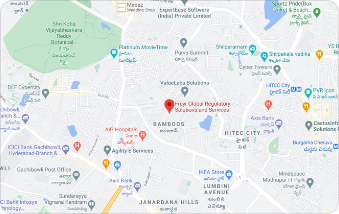
Location

Level 4, Building No. H-08,
Phoenix SEZ, HITEC City 2, Gachibowli,
Hyderabad – 500081, India

Freyr Regulatory Services – Pan India Coverage

CLICK HERE TO VIEW IN MAPS

Quick Inquiry
x